
Most of our environmental impact happens across the value chain – from materials, to manufacturing to transport, retail and end of life. That is why we work with our partners across every stage to reduce impact and support more sustainable solutions over time.
Before sustainability is measured, it’s designed.
Together with our partners, we shape solutions from the very start, balancing protection, performance, and sustainability. Choices made early – about thickness, weight, durability, and more – shape everything that follows.
Mips® Air Node Pro is a good example of how we design for longer product life already in the design stage. It reflects our approach to sustainable design, where material selection, durability, and product maintenance are considered early to support longer product life and more efficient use of resources.
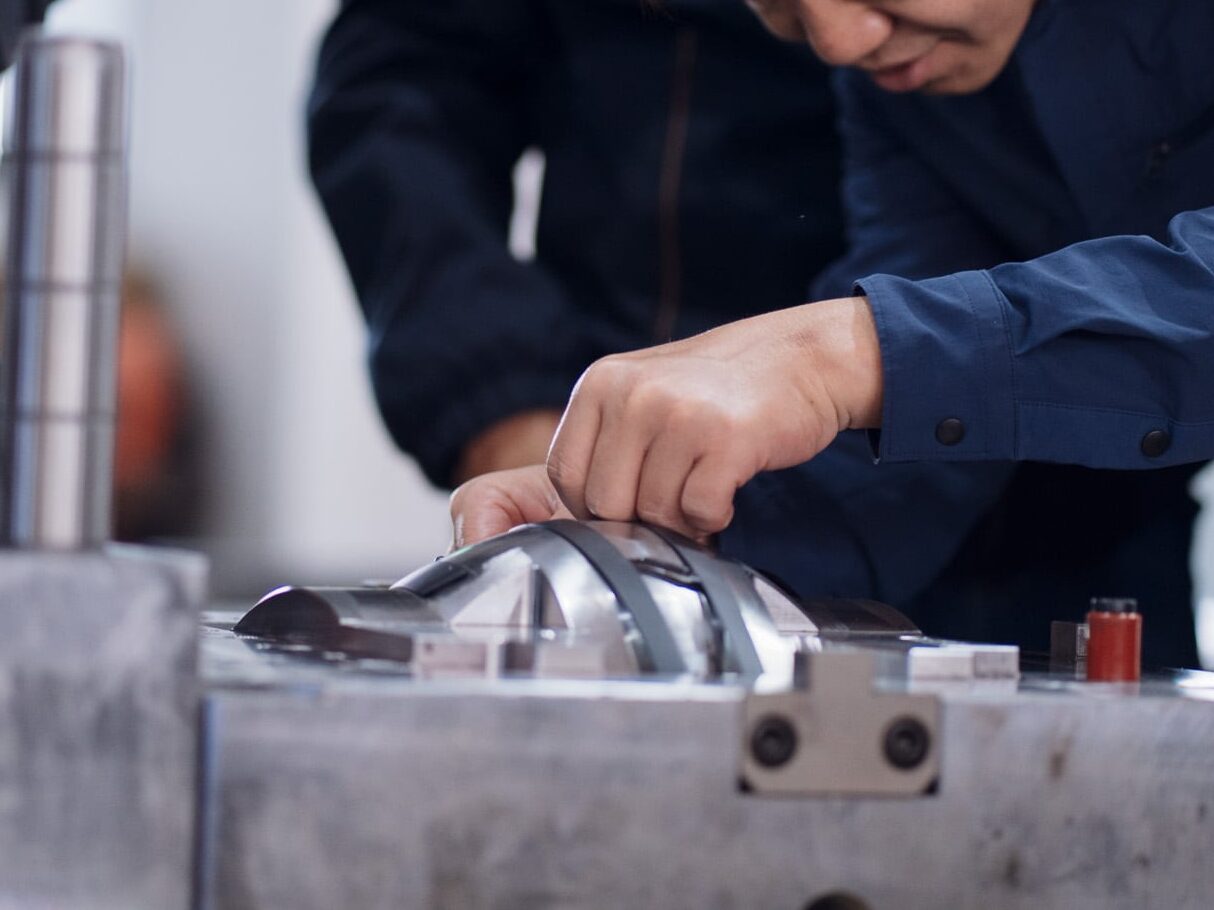
Plastics and textiles make up the foundation of our solutions – and a significant part of their footprint. That’s why we focus on using less, and increasing the share of recycled materials where possible. Always with protection as the non-negotiable.
Today, recycled content make up an average of 34% of the material used across all Mips products. We are actively exploring ways to reintegrate production waste into the system instead of losing it as waste. In 2025, we completed two circularity pilots that increased recycled content in selected products by up to 20%, while maintaining intended performance.
Our ambition is clear: to move toward a more circular product offering, with recycled materials forming the foundation of our raw material strategy.


We work with a limited number of manufacturing partners to build long-term relationships and support continuous improvements in areas such as waste reduction, energy efficiency and renewable energy transition.
Codes of conduct, audits and compliance matter, and we do that too. But we believe the greatest impact comes from working together over time – supporting suppliers in changes that reduce emissions while strengthening their operations for the long term.
In several cases, suppliers have invested in renewable energy solutions such as solar panels, supported by our close collaboration and ongoing dialogue.
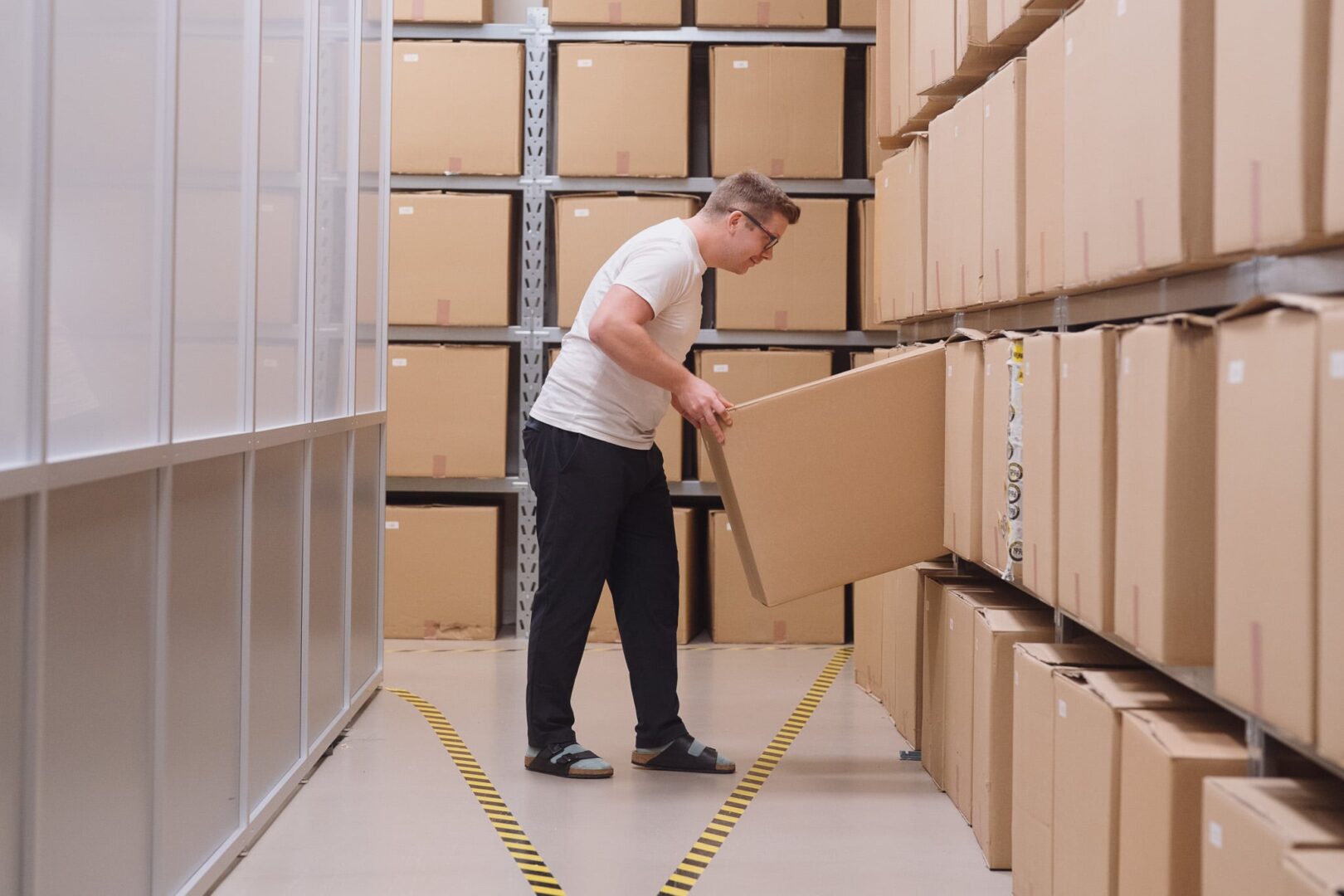
Transport matters. Distance matters.
We aim to stay close to our customers’ manufacturing sites, because shorter distances reduce transport emissions and lead times. Design choices play a role here too. Thinner, lighter components take up less space and weigh less, helping reduce impact every time products move.
Impact doesn’t end at the factory gate. It lives where helmets are produced, chosen, and used.
Through brands and retailers, Mips’ technology reaches millions of people worldwide. This extends our impact far beyond what we could achieve alone.
At retail level, we want to make sustainability the easy choice. That is why we invest in staff training and education to help staff explain protection, sustainability and long-term product use in a clear, credible and useful way.
Looking ahead, we want to do more to support better product care, longer use, and extended life.
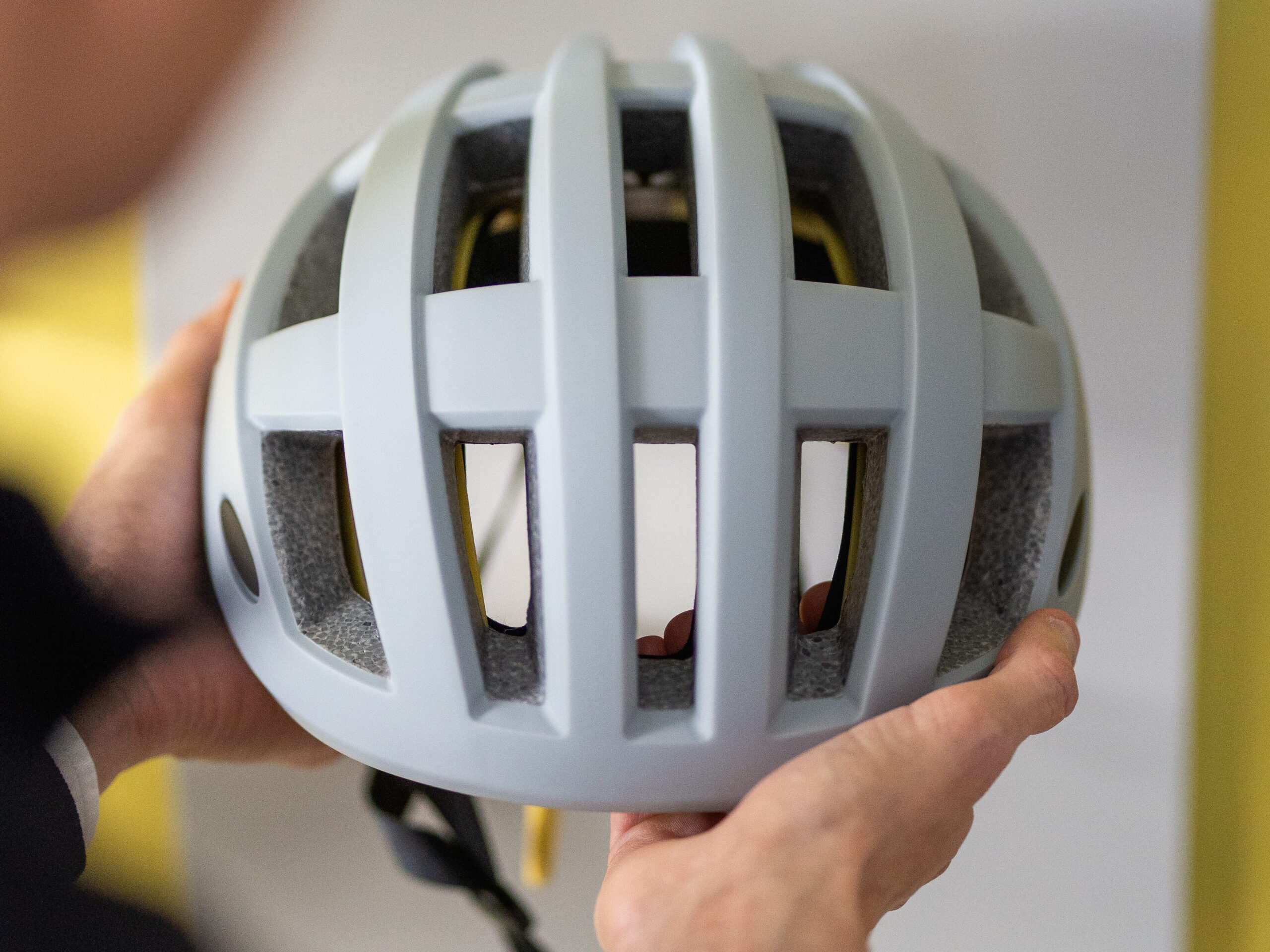
Consult store staff when buying bike helmets
Source: Mips Trax Analysis by NoA/Nordstadt 2024
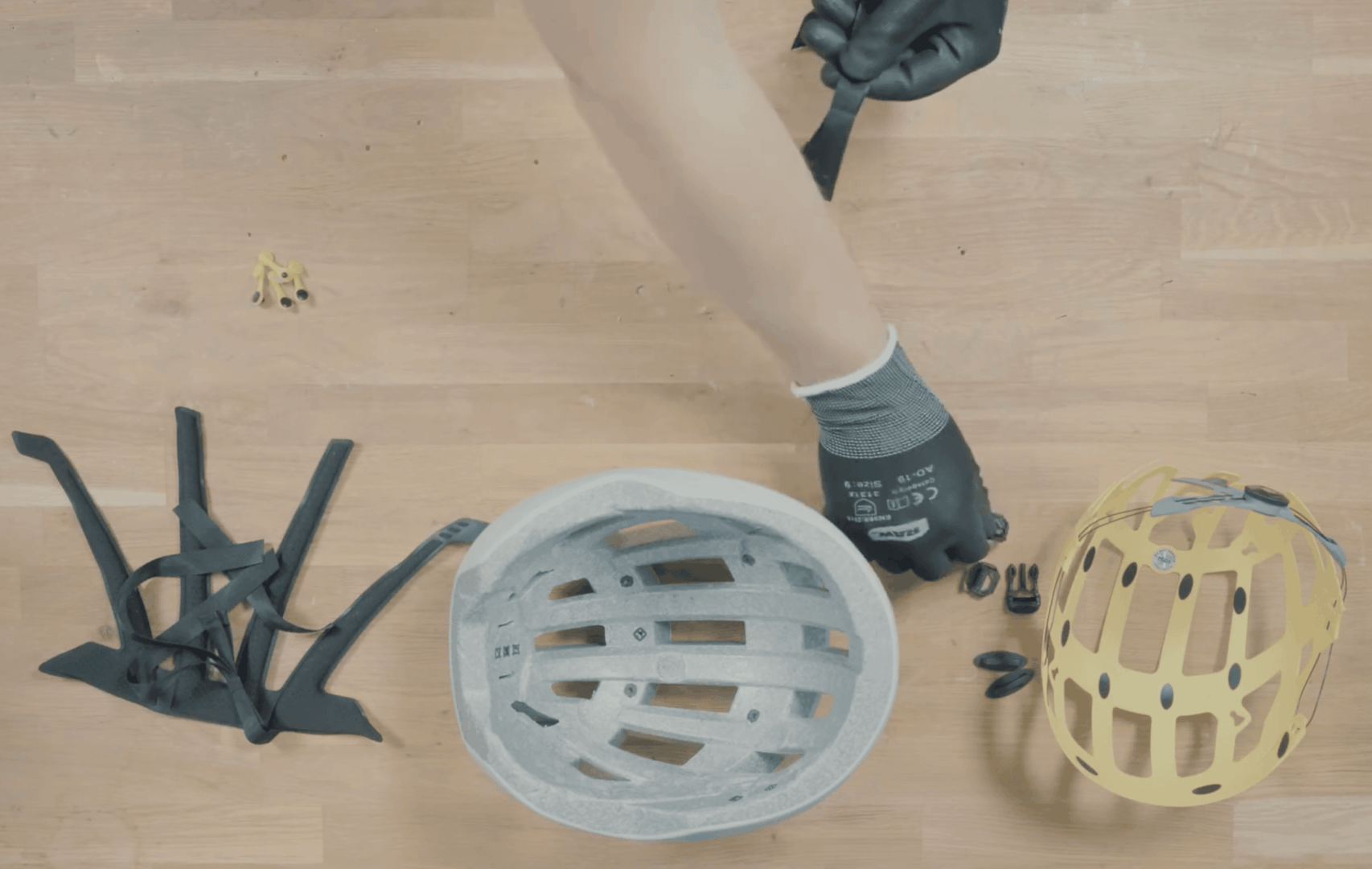
Beyond how our solutions are designed, made, and used, we are also working to improve circularity at the end of the product life cycle together with our partners.
One of the challenges is that helmets are often made from many materials that are difficult to separate once the product reaches end of life. As a result, many helmets still end up as waste.
The Salomon Brigade Index project is one example of how we are working to address this challenge together with partners. The helmet was designed using materials from the same plastic family across most components to support easier recycling at end of life.
Read more about how we work with sustainability.